What Sponsored Agents actually are
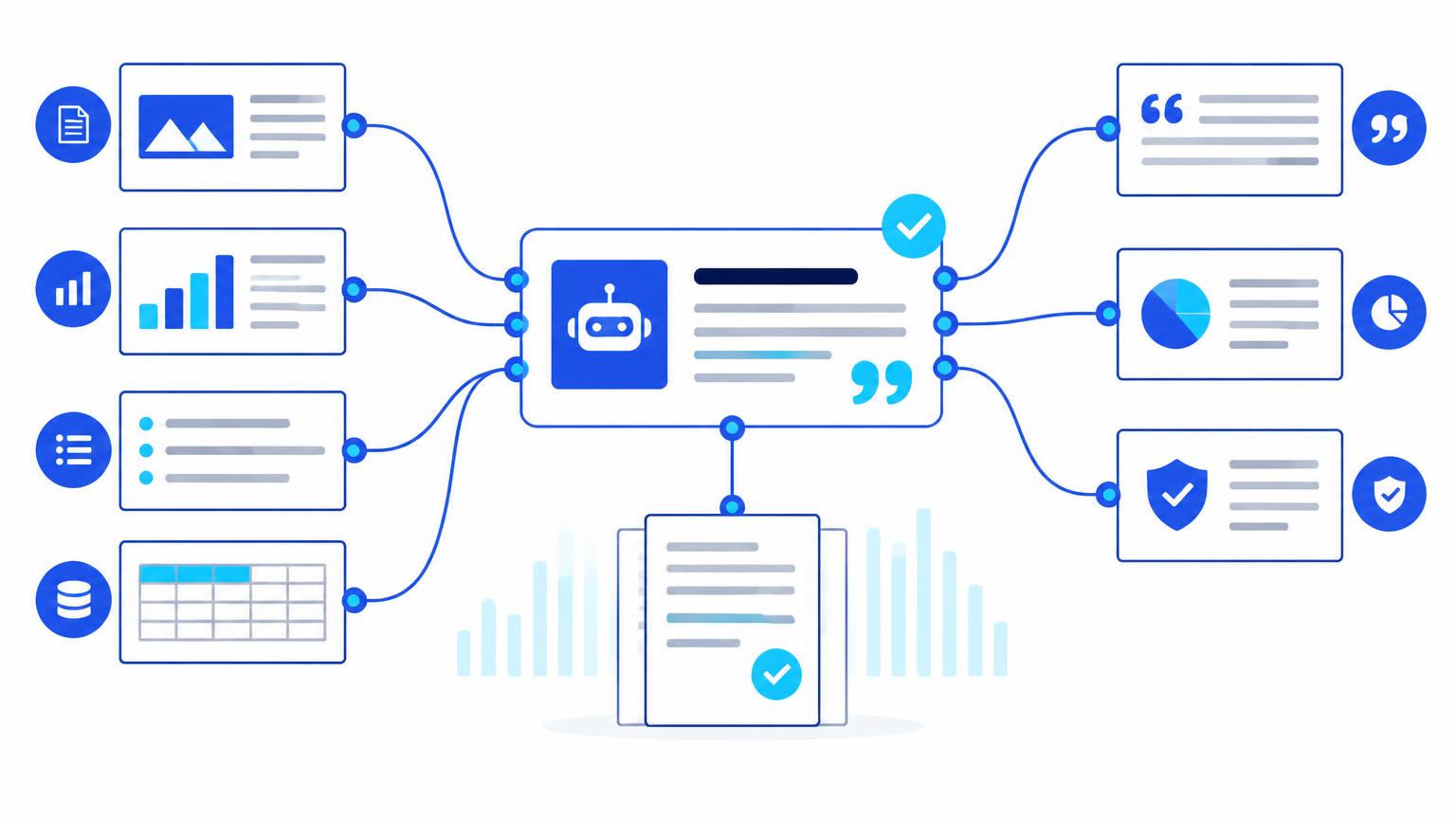
On September 16, 2026, OpenAI published a post titled "Reimagining advertising with AI," announcing that it is testing a new ad format called Sponsored Agents. Here's the core mechanic, in OpenAI's own words:
A few specifics worth being precise about, since they're easy to blur in a quick summary: the Sponsored Agent conversation is opt-in, triggered only after a user clicks an existing ad, not something that interrupts a regular chat uninvited. OpenAI's post describes it as "distinct from ChatGPT's independent answers and separate from the original conversation that the user started in ChatGPT," meaning it opens as its own labeled thread rather than blending into the answer the user was originally getting. And as of publication, it's a limited test: "Sponsored Agents are now being tested with select advertisers in the United States." There is no general rollout, no public access, and no confirmed timeline for either.
The rest of the announcement, easy to miss under the headline
The Sponsored Agents test was the most-covered part of the September 16 post, but it shipped alongside three other changes to OpenAI's ad platform in the same announcement.
- 01AI-assisted campaign management in ChatGPT WorkAdvertisers can now use natural-language prompts inside a ChatGPT Work plugin to create, update, and analyze ad campaigns, including turning a landing page or brief directly into a campaign.
- 02AI-generated ad creative inside Ads ManagerWhen drafting an ad, advertisers can now get suggested copy and imagery based on their landing page and campaign objective, with review and edit control before anything goes live.
- 03Opt-in AI text customizationIf enabled, this adapts an advertiser's existing headlines and descriptions to fit the context of a specific conversation, and automatically translates ad copy into the user's preferred language.
- 04HubSpot and Shopify integrationsHubSpot becomes OpenAI's first CRM partner, letting businesses connect a ChatGPT Ads account and manage campaigns from inside HubSpot. Shopify becomes the first ecommerce partner, live for US merchants immediately via a dedicated app, with international availability from September 23, 2026.
How ChatGPT ads actually got here
Sponsored Agents didn't appear out of nowhere. They're the latest step in a rollout that's moved faster than most product timelines, and it's worth laying out the sequence plainly since coverage of the September announcement sometimes blurs it together with an unrelated milestone from a few weeks earlier.
| Date | What happened |
|---|---|
| Jan 16, 2026 | OpenAI publishes "Our approach to advertising and expanding access," authored by Fidji Simo, setting out five ads principles ahead of any ads actually launching. |
| Feb 9, 2026 | Ads begin testing in the US for logged-in adults on the Free and Go tiers, as sponsored links beneath answers. |
| ~Late Mar 2026 | OpenAI says the US pilot crosses $100 million in annualized revenue within about six weeks, per reporting at the time. |
| Aug 11, 2026 | Ads expand to the UK, Mexico, Brazil, Japan and South Korea. |
| Aug 31, 2026 | OpenAI announces ChatGPT Ads has reached $1 billion in annualized revenue run rate in under 200 days, in its own separate post, alongside self-serve access expanding to India, Europe, the Middle East and North Africa. |
| Sept 10, 2026 | Amazon Ads' demand-side platform is integrated into ChatGPT's ad inventory, per industry reporting. |
| Sept 16, 2026 | "Reimagining advertising with AI" introduces Sponsored Agents, Ads Manager AI tools, and the HubSpot/Shopify integrations. |
| Sept 23, 2026 | The Shopify ChatGPT Ads app becomes available internationally, in markets where ChatGPT Ads already operate. |
Worth flagging directly: some coverage of the September 16 announcement folds the $1 billion run-rate figure into the Sponsored Agents story as if they were announced together. They weren't. The revenue milestone was its own post on August 31, about two and a half weeks earlier.
What OpenAI says about privacy and data
A natural question about this format: if OpenAI holds the conversation and the data, what does the brand's own website still do? OpenAI's January 2026 policy post addresses this directly, laying out five stated principles before any ad format had launched. The two most relevant to Sponsored Agents specifically:
"Conversation privacy: We keep your conversations with ChatGPT private from advertisers, and we never sell your data to advertisers."OpenAI, "Our approach to advertising and expanding access to ChatGPT," January 16, 2026
Applied to Sponsored Agents specifically: the stated design keeps the sponsored conversation as a separate, clearly labeled thread rather than something woven into ChatGPT's own answer, and OpenAI's stated policy is that advertisers don't get access to a user's private ChatGPT conversations. What isn't yet independently documented is exactly what data does flow to an advertiser once a user is inside a Sponsored Agent conversation with that advertiser's own agent, since at that point the user is, by design, directly interacting with the business. That's a reasonable open question, not a contradiction of OpenAI's stated principles, and it's the kind of detail worth watching for in OpenAI's help center documentation as the test expands.
What's confirmed, and what's still only reported secondhand
Being precise about sourcing here matters, since this is exactly where a story can drift from what a company said to what people assumed it said.
Wayfair's participation is the most widely corroborated detail among launch partners, showing up consistently across independent outlets. A longer list circulating elsewhere, including Angi, Newegg, Best Buy, Lowe's and VistaPrint, traces back to a single newsletter source at the time of writing and hasn't yet been independently corroborated or confirmed in OpenAI's own materials, so it's included here only with that caveat rather than presented as settled.
Worth noting too: at least one outlet examining the $1 billion run-rate claim pointed out that OpenAI hasn't disclosed the underlying monthly revenue breakdown, the exact start date used for the "under 200 days" framing, or retention and margin figures, meaning the milestone describes a pace, not audited revenue. That's not a claim the figure is wrong, just a reasonable reminder that a self-reported run-rate is a snapshot, not a full financial disclosure.
Why this is worth watching, not just reading about
For anyone tracking how brands show up in AI systems, the practical question isn't whether this feature is good or bad, it's what it does to the distinction between a citation and a placement. Up to now, most of what determines whether ChatGPT mentions a brand has been the kind of signal this blog covers regularly: third-party corroboration, structured data, freshness, evidence density. A Sponsored Agent conversation is a different thing entirely: a paid, labeled placement a business buys directly, sitting alongside, not instead of, whatever ChatGPT would have said organically. As that paid lane develops, the practical work for any brand tracking its AI visibility is keeping those two categories clearly separated in reporting, rather than crediting a paid conversation for what should be measured as organic citation performance, or vice versa. That's a genuinely open question this early in the test, and worth revisiting once the pilot expands beyond a handful of advertisers.
Track organic visibility separately from paid placement
As paid formats like Sponsored Agents roll out, Ripplix keeps your organic AI citation tracking clean, so you can see what's earned versus what's paid for.
Get your free AI Visibility Report →- OpenAI, "Reimagining advertising with AI," openai.com, September 16, 2026 (primary announcement).
- OpenAI, "Our approach to advertising and expanding access to ChatGPT," openai.com, authored by Fidji Simo, January 16, 2026 (primary source for ads principles).
- OpenAI, "A milestone in expanding access to AI," openai.com, August 31, 2026 (primary source for the $1 billion run-rate figure).
- CNBC, coverage of OpenAI's $1 billion annualized ad revenue run rate, August 31, 2026.
- Reuters, via Investing.com, coverage of OpenAI's ad business revenue milestone, 2026.
- Digiday, analysis of OpenAI's ad revenue trajectory and growth targets, 2026.
- Winbuzzer, methodological review of OpenAI's "$1 billion in under 200 days" claim, September 2026.
- The Register, Felloai, and Remote Work Europe News, independent coverage of the Sponsored Agents test, September 2026, used for cross-checking against OpenAI's own post.
- Reporting on Wayfair's and other advertisers' participation in the Sponsored Agents pilot, cross-referenced across multiple outlets; the wider brand list should be treated as unconfirmed per the caveat above.